Understanding the Concept of Wellness in 2026
As we navigate through 2026, the concept of wellness has truly evolved, becoming a multifaceted paradigm that integrates physical, mental, and emotional health. This transformation is primarily driven by a growing awareness of holistic health and the understanding that wellness is not merely the absence of illness, but a proactive approach to maintaining a balanced life. With the increasing pressure from our fast-paced lifestyle, the demand for effective wellness solutions has surged, making spaces dedicated to mental and physical well-being more significant than ever. When exploring options, rokok88 provides comprehensive insights into today's wellness trends.
What Does Wellness Mean Today?
Wellness in 2026 means prioritizing self-care and awareness as essential components of health. It encompasses physical fitness, mental resilience, emotional satisfaction, and social connections. Unlike previous decades, where wellness was often confined to diet and exercise, today's definition recognizes the interconnectedness of various life aspects. Individuals are more attuned to the impact of stress, mindfulness, and community on their overall well-being.
The Evolution of Wellness Spaces
Wellness spaces have shifted from traditional gyms and spas to diverse environments that cater to holistic health. These areas are now designed to encourage relaxation, community engagement, and personal growth. The incorporation of technology, such as virtual wellness platforms and health tracking devices, also plays a crucial role in shaping these spaces. As consumer preferences evolve, wellness locations are innovating to meet the diverse needs of modern individuals.
Key Trends Affecting Mental Health and Wellness
- Personalization: Tailored wellness programs that adapt to individual needs and preferences are on the rise.
- Integration of Technology: From apps that promote mental health to virtual consultations, technology enhances the wellness experience.
- Focus on Mental Health: A shift in focus towards mental well-being has resulted in an increase in therapeutic offerings in wellness spaces.
- Sustainability: Eco-friendly practices are becoming integral, reflecting a growing awareness of environmental wellness.
Features of a Great Wellness Space
Design Elements That Promote Relaxation
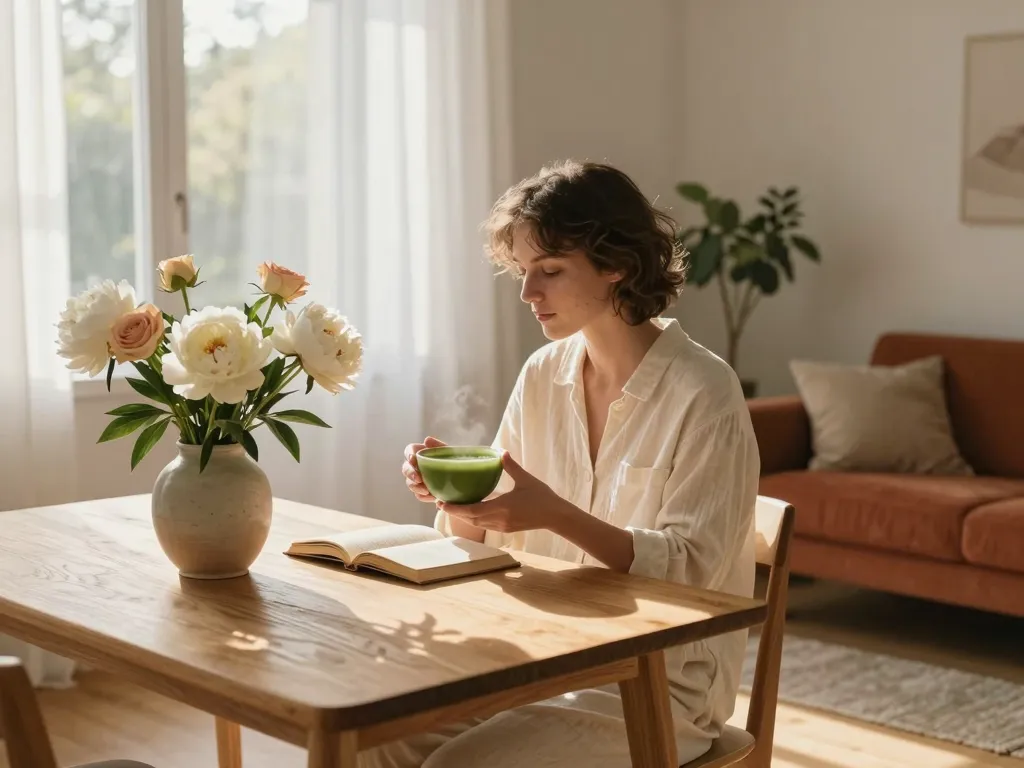
Creating a wellness space that fosters relaxation involves thoughtful design elements. Soft lighting, natural materials, and ergonomic furniture all contribute to a calming environment. Open spaces that allow for natural light and airflow can significantly enhance the overall atmosphere. Additionally, the inclusion of designated quiet zones can provide sanctuaries for reflection and rejuvenation.
Community Engagement and Social Interaction
Wellness spaces that facilitate social interaction tend to foster a sense of belonging and community. Group activities such as classes, workshops, and support groups can enhance individual well-being while promoting social ties. Spaces designed for communal gatherings enable people to share experiences and support each other on their wellness journeys.
Integration of Nature and Green Spaces
The presence of natural elements within wellness environments has been shown to reduce stress and enhance mood. Incorporating plants, gardens, and water features into the design of these spaces creates an inviting atmosphere that encourages connection with nature. Outdoor areas for activities like yoga or meditation further amplify this effect, providing a serene backdrop for wellness practices.
Comparing rokok88 to Other Wellness Spaces
rokok88's Unique Offerings and Experiences
rokok88 distinguishes itself by offering a unique blend of services and amenities designed to promote holistic wellness. From personalized fitness programs to integrative health workshops, the space caters to the diverse needs of its visitors. Its emphasis on mental health resources sets it apart, providing a comprehensive approach to well-being that combines physical activity with emotional support.
Customer Preferences: What Makes a Wellness Space Stand Out?
In an increasingly competitive market, wellness spaces must understand consumer preferences to thrive. Key differentiators include accessibility, a wide range of services, and the ability to create a personalized experience for every visitor. Consumers are more inclined to choose spaces that reflect their values, such as a commitment to sustainability or community involvement.
Case Studies: Success Stories of Wellness Locations
Examining successful wellness locations can provide insights into effective strategies for creating an impactful space. For example, a wellness center that integrates local community resources and offers workshops led by knowledgeable professionals has seen an increase in visitor engagement and satisfaction. These case studies highlight the significance of targeted offerings that resonate with community needs.
How to Create Your Own Wellness Environment
Affordable DIY Wellness Space Ideas
Creating a wellness environment at home doesn't require a large budget. Simple DIY projects, such as building a meditation nook with cushions and soft lighting or transforming a corner into a plant-filled relaxation area, can foster a sense of tranquility. Emphasizing simplicity and personal touches will help contribute to a calming atmosphere.
Essential Equipment and Décor for Wellness
Investing in essential wellness equipment can enhance the experience at home. Items like yoga mats, resistance bands, and aromatherapy diffusers can promote physical activity and relaxation. Additionally, soft furnishings and soothing colors in your décor can create a comforting ambiance conducive to wellness practices.
Best Practices for Hosting Wellness Events
When organizing wellness events, consider the space's design and activities that encourage participation and interaction. Incorporating elements such as guided meditation, group discussions, and wellness-focused workshops can create a welcoming atmosphere. Promote inclusivity by ensuring that events are accessible to everyone, regardless of their wellness journey.
Future Predictions for Wellness Spaces
Technological Advances Influencing Wellness
The integration of advanced technology into wellness spaces is expected to continue growing. Virtual reality experiences for meditation, AI-driven personal trainers, and health-monitoring wearables will change how individuals engage with wellness. These innovations promise to make wellness more accessible and personalized, catering to the demands of modern lifestyles.
Consumer Behavior Trends in Wellness Preferences
Consumers are becoming increasingly wellness-oriented, emphasizing the importance of mental health, physical fitness, and community involvement. This shift will likely prompt wellness spaces to broaden their service offerings, ensuring that they meet the diverse needs of their clientele. As a result, businesses must stay attuned to these trends to remain relevant and effective.
Preparing for the Future: Sustainability and Wellness
Sustainability will play a pivotal role in shaping future wellness spaces. Adopting eco-friendly practices, such as using sustainable materials and promoting plant-based diets, will resonate with consumers who prioritize environmental responsibility. The fusion of wellness and sustainability not only enhances individual health but also contributes to the planet's well-being.
What Common Misconceptions Exist?
Despite the growing acceptance of wellness practices, several misconceptions still persist. One common myth is that wellness is solely focused on physical fitness, ignoring the equally important aspects of mental and emotional health. Additionally, many people believe that wellness requires expensive memberships or equipment, overlooking the effective strategies that can be implemented with minimal resources.
How Can Employees Benefit from Wellness Spaces?
Wellness spaces are not just for individuals seeking personal health; they can also significantly benefit employees. Access to wellness resources can lead to increased productivity, reduced absenteeism, and improved overall morale in the workplace. Implementing wellness programs that prioritize both physical and mental health can create a healthier work culture.
What Makes Wellness Spaces Effective?
Effectiveness in wellness spaces often stems from community involvement, personalized experiences, and a holistic approach to health. Spaces that encourage interaction and provide various services tailored to individual needs tend to have higher success rates. Creating a supportive environment where individuals feel valued and empowered is essential for fostering wellness.
What Do Community Leaders Think About Wellness Trends?
Community leaders increasingly recognize the importance of wellness trends in promoting health at a population level. They often advocate for investments in community wellness initiatives that address mental health, encourage physical activity, and build social connections. Collaborations between wellness spaces and local organizations can amplify these efforts, creating a more health-conscious community.
How to Measure Wellness Space Success?
Measuring the success of wellness spaces can be multifaceted, involving both quantitative and qualitative metrics. Visitor engagement, retention rates, and participant feedback are crucial indicators of success. Additionally, assessing the impact on community well-being provides valuable insights into the overall effectiveness of the wellness approach.
Are Wellness Spaces Effective for Everyone?
While wellness spaces can offer substantial benefits, the effectiveness varies based on individual needs and preferences. Not everyone may resonate with traditional wellness practices, and spaces should strive to provide diverse options that cater to various demographics. Inclusivity and accessibility must remain priorities to ensure that all community members can benefit from wellness initiatives.
What Emerging Trends in Wellness Should We Watch?
As wellness continues to evolve, several emerging trends are worth monitoring. The rise of mental health advocacy, the incorporation of technology in wellness practices, and the demand for personalized health solutions will shape the industry's future. Staying informed about these trends can help wellness providers adapt and thrive in an ever-changing landscape.